
 Share
Share
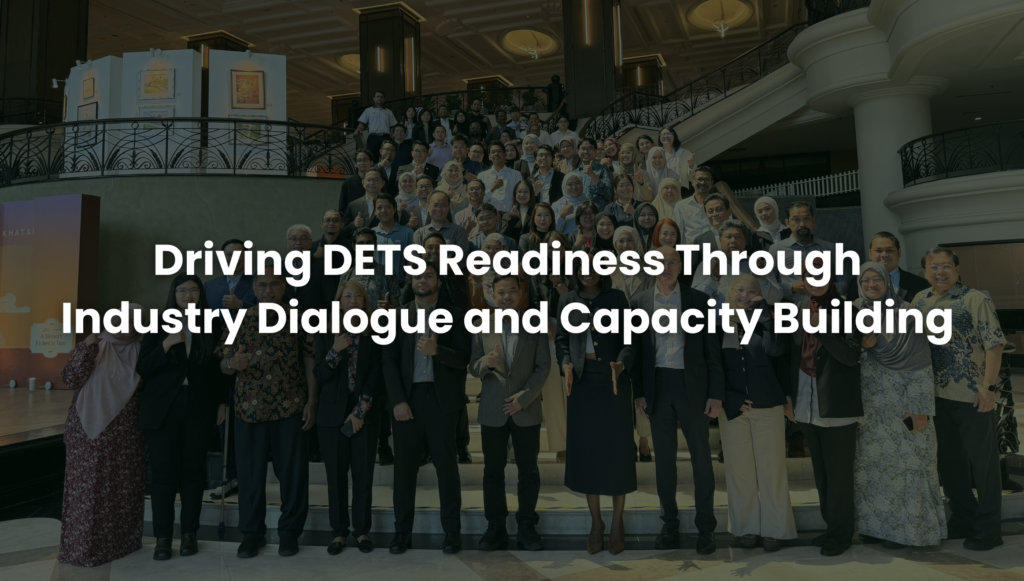
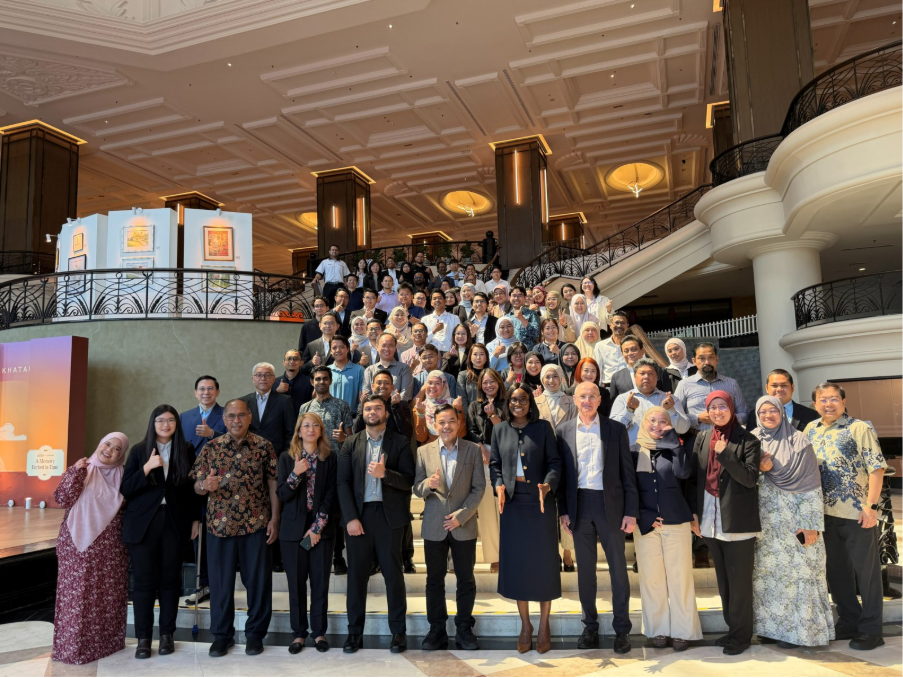
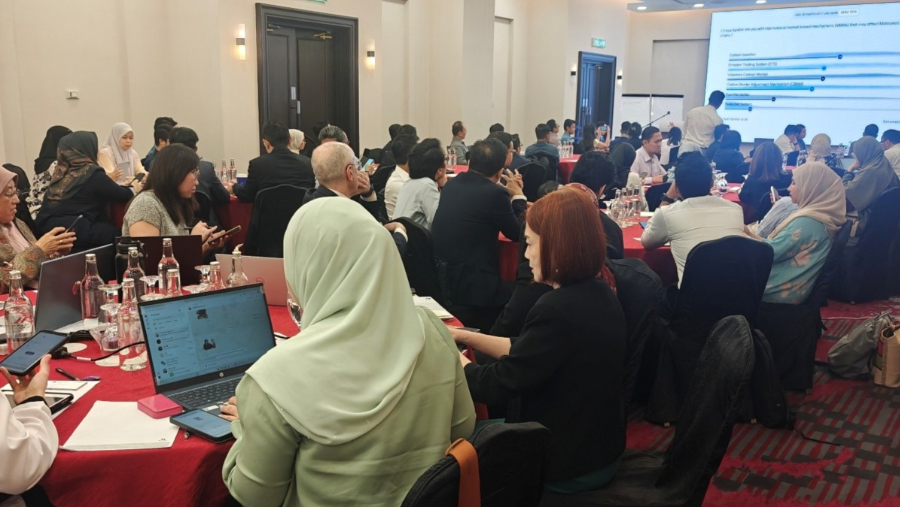
Wednesday, 8 April 2026 – Imagine a future in which carbon emission costs are no longer a distant policy discussion, but a real business consideration shaping exports, compliance decisions and investment planning. Against this backdrop, the second stakeholder engagement workshop under the Malaysia Domestic Emissions Trading Scheme (DETS) Readiness and Operationalisation to Mobilise Decarbonisation Finance project was held on 8 April 2026, at Marriott Hotel Putrajaya. The workshop was organised under the UK PACT-supported project led by Universiti Teknologi Malaysia (UTM) in collaboration with Imperial College London and Universiti Sains Islam Malaysia (USIM), with support from the Ministry of Natural Resources and Environmental Sustainability (NRES). The workshop brought together 85 key stakeholders from more than 30 organisations in the iron, and steel; power and energy; oil and gas; government and regulators; sustainability, research and market sectors, with 40% women participation, reflecting strong interest in the role of industry and institutions in Malaysia’s low-carbon transition.
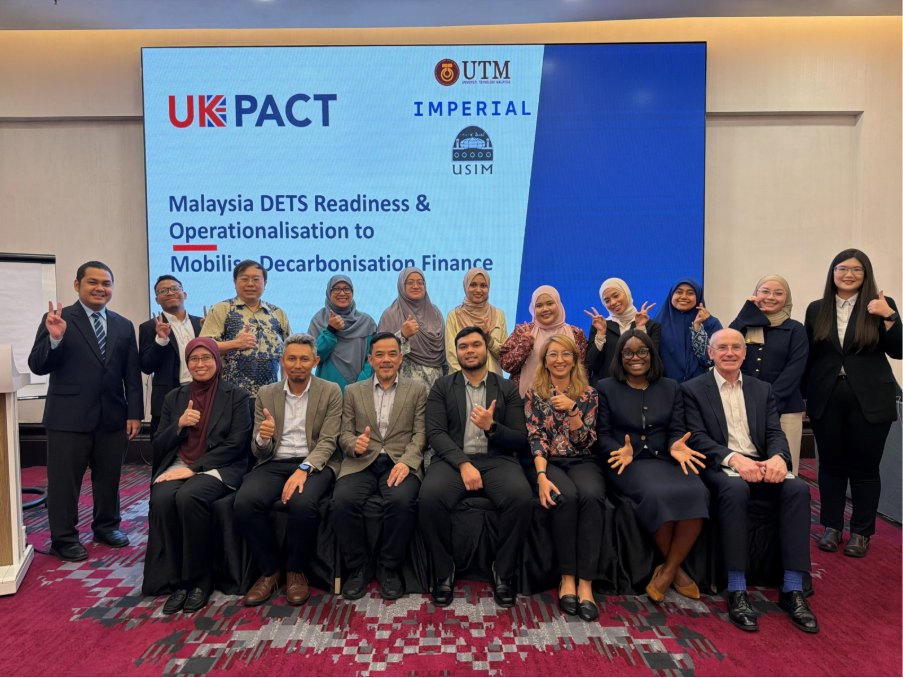
The event began with opening remarks by the Project Director, Professor Zainuddin Abdul Manan from UTM, who presented the project overview and objectives, positioning the workshop within the broader DETS readiness programme in the context of the current global scenario. As a continuation of the first workshop held on 13 March 2026, which focused primarily on regulators and government agencies, Workshop 2 shifted attention towards industry stakeholders and regulated entities. The programme was designed not only as a knowledge-sharing platform, but also as a structured input into the project’s broader outputs, including Malaysia’s DETS Readiness Assessment and CBAM viability assessment for Malaysia’s power, iron and steel and oil and gas sectors. In this way, participant feedback and workshop discussions contribute directly to the project’s evidence base and future recommendations to NRES.
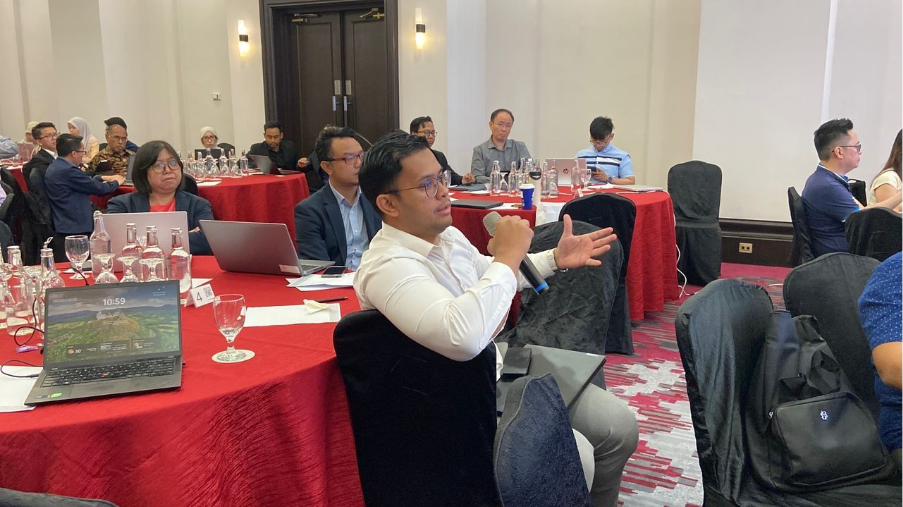
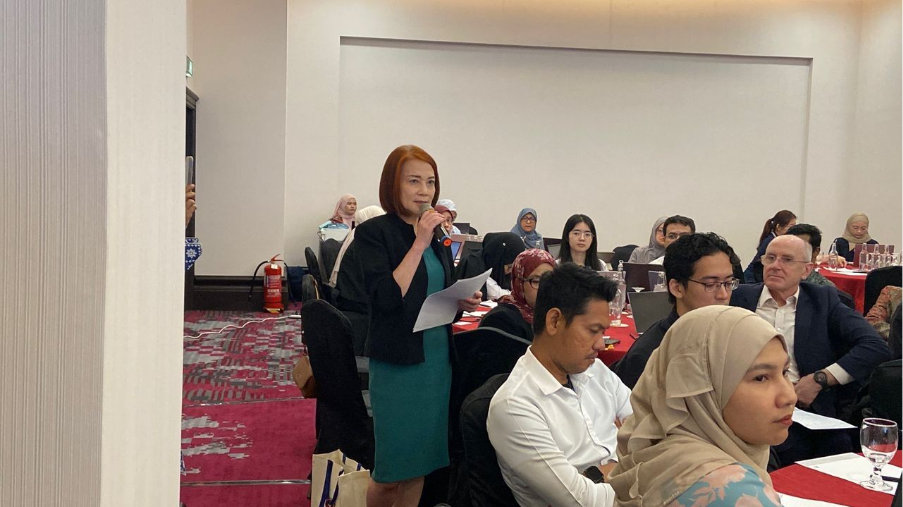
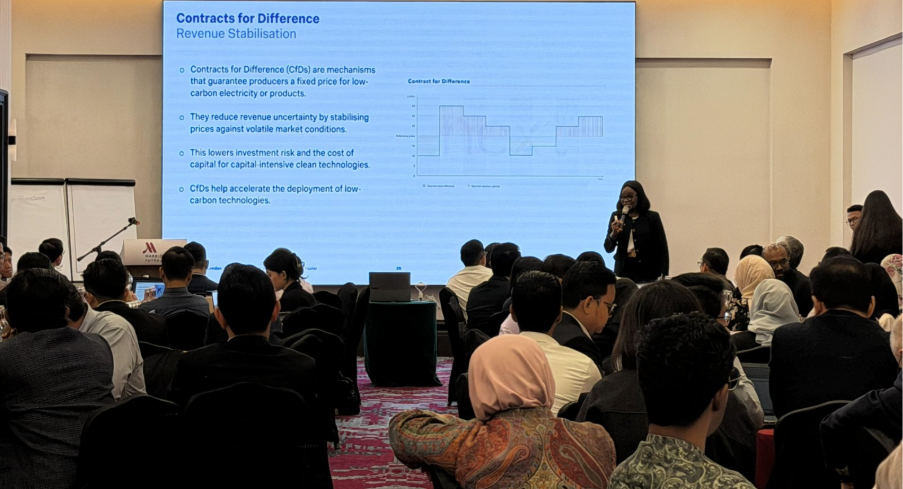
The day’s technical sessions focused on equipping participants with practical knowledge of market-based mechanisms (MBMs) and their implications for regulated entities, which was the participants’ most anticipated workshop takeaway in the pre-survey. Assoc. Prof. Dr Gbemi Oluleye from Imperial College London introduced the global landscape and economic impacts of MBMs, covering instruments such as emissions trading systems (ETS), carbon taxes, CBAM, and other relevant mechanisms. The Q&A session was particularly engaging, with several participants stressing the importance of incentives, whether through support for capital expenditure, production, or emissions reduction, as well as stronger industry coordination to reduce technology costs and present a more unified case for policy support.
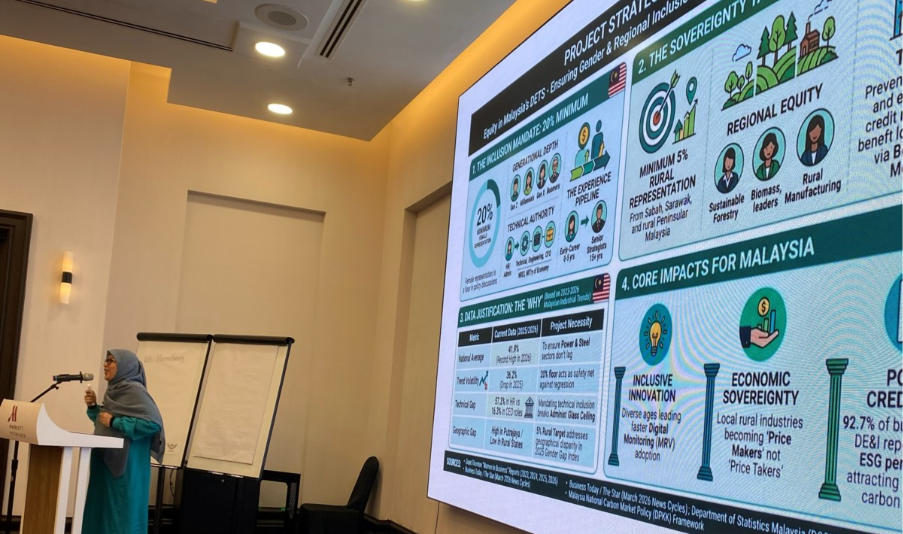
The workshop then moved to the social dimensions of policy design, where the USIM team, Assoc. Prof. Dr. Izlawanie Muhammad and Dr Suhaila Abdul Hamid led a session on embedding inclusivity and just transition principles in Malaysia’s DETS framework. This discussion emphasised the importance of ensuring that Malaysia’s DETS design is not only technically sound, but also socially responsive and aligned with national decarbonisation goals.
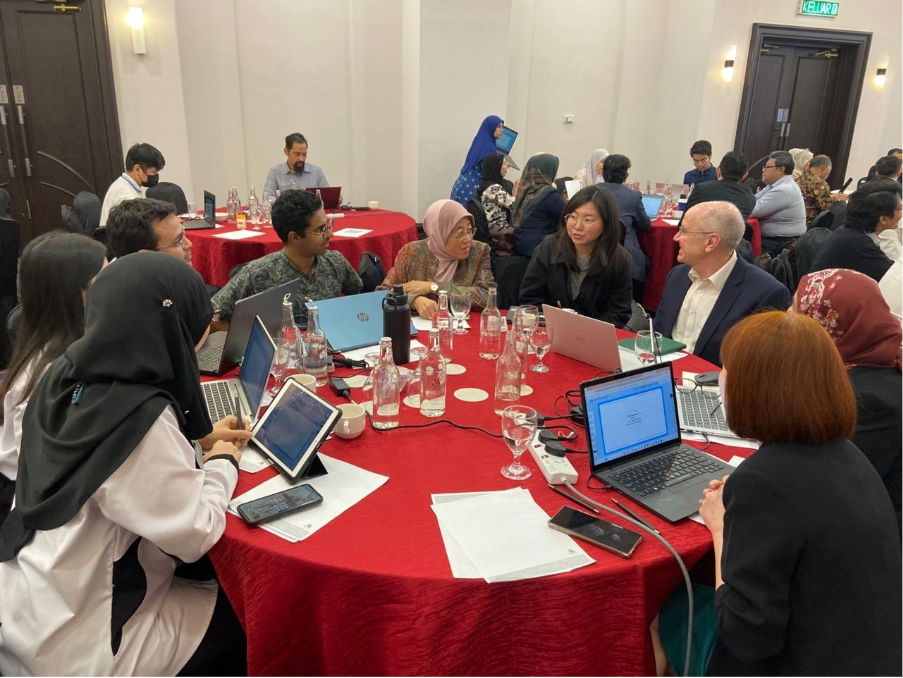
A key feature of Workshop 2 was its focus on practical readiness assessment. Participants took part in a sector-aligned group activity and discussion on the readiness and impact assessment of different market-based mechanisms led by Prof. Ir. Ts. Dr. Sharifah Rafidah Datu Wan Alwi from UTM, including mechanisms such as DETS and CBAM, for regulated entities. This was followed by group presentations where each group representative shared reflections on their organisations’ readiness, potential barriers, and the forms of support needed to prepare for future DETS implementation and CBAM exposure. Multiple groups highlighted cost and competitiveness as immediate concerns, while also calling for more standardised carbon accounting, sector-appropriate thresholds, and practical government support through guidance and capacity building.
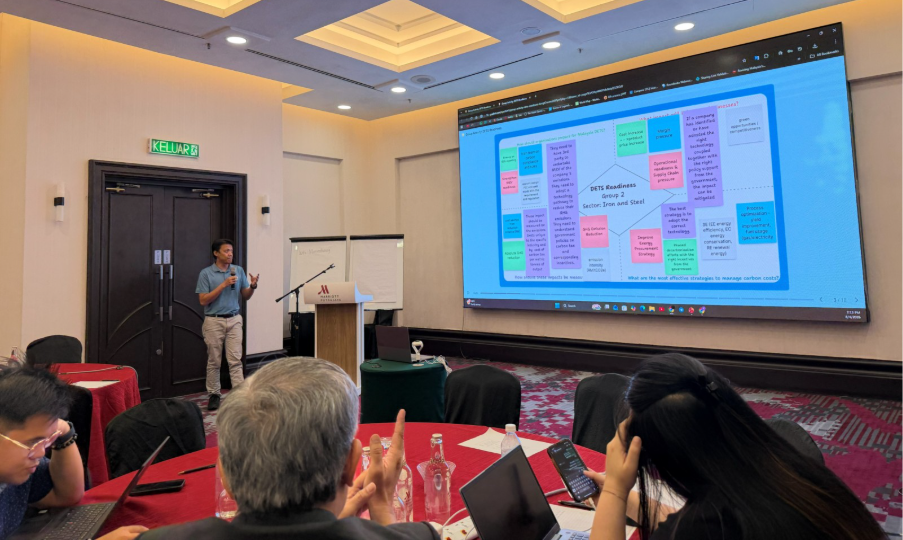
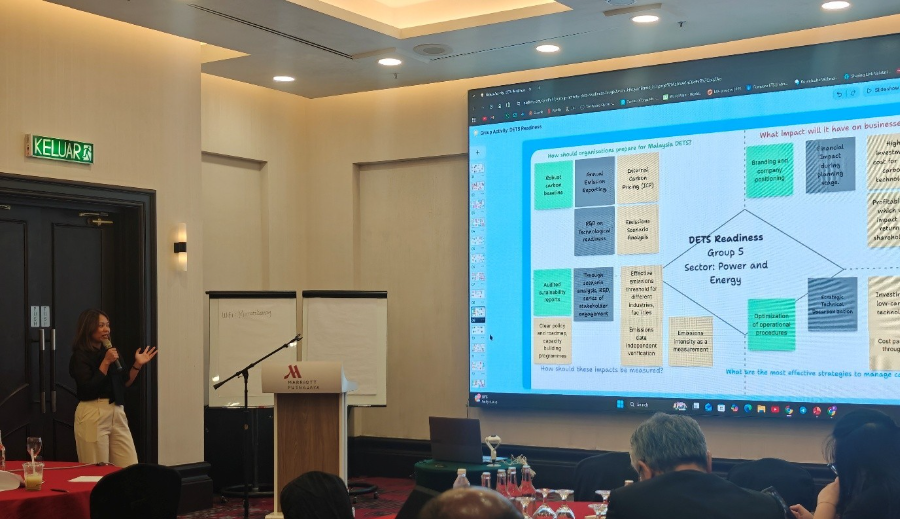
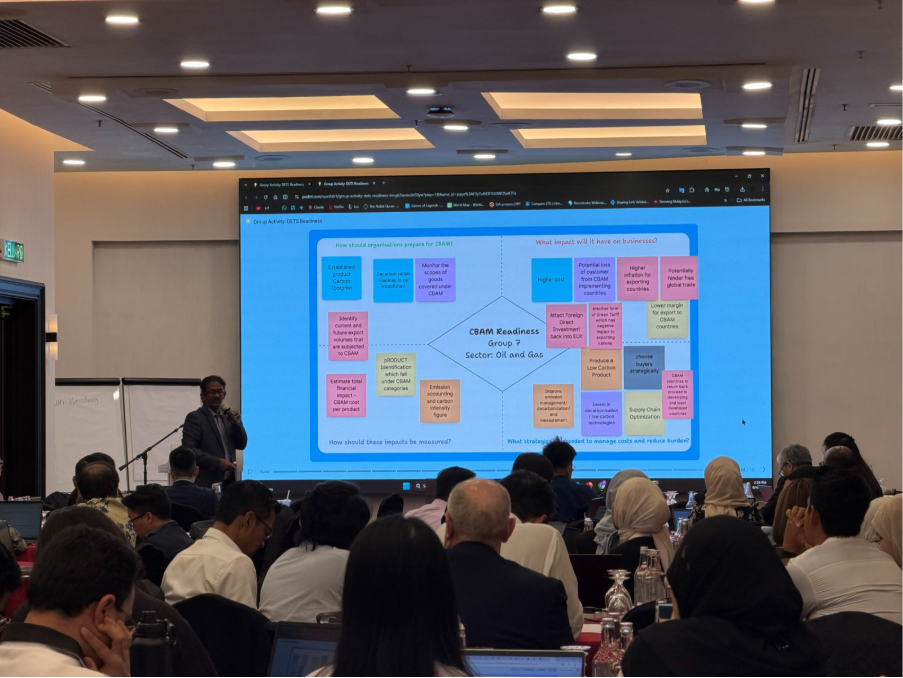
Organiser of the workshop leverages digital tools to facilitate interactive live surveys and polling to generate a more detailed picture of DETS readiness levels. By the end of the day, responses showed that participants viewed Malaysia’s DETS readiness as still moderate, with significant cost increases and operational restructuring seen as the most likely business impacts of an ETS. Interesting feedback comparisons before and after the technical sessions showed a clear improvement in familiarity across a wide range of market-based mechanisms, suggesting that the workshop helped move participants from broad awareness towards more confident and practical understanding of emerging carbon policy instruments.
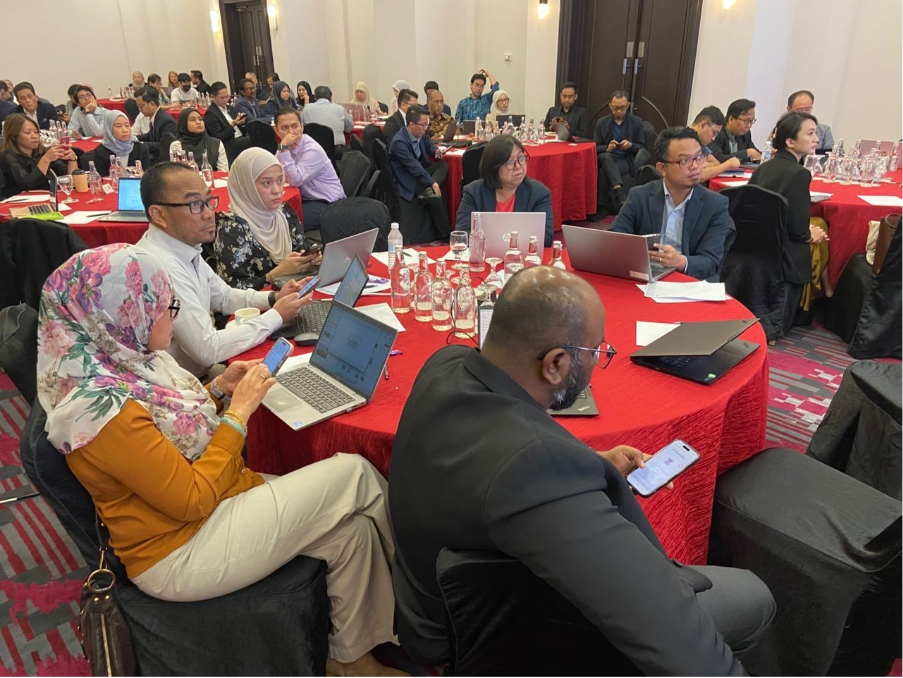
Overall, Workshop 2 marked a meaningful step in translating DETS awareness into practical industry readiness. The discussions, live survey feedback and group presentations showed that while many organisations are still at an early stage of preparedness, there is clear willingness to engage, learn and plan. As Malaysia advances the design and operationalisation of its DETS, continued dialogue between government, industry and technical experts will be critical to building a system that is credible, implementable and supportive of both decarbonisation goals and long-term industrial competitiveness.