
 Share
Share
The first stakeholder engagement workshop on Malaysia’s Domestic Emissions Trading Scheme (DETS) Readiness and Operationalisation to Mobilise Decarbonisation Finance was held at Zenith Hotel Putrajaya on Friday ,13 March 2026.
The workshop was conducted under the UK PACT-supported project led by Universiti Teknologi Malaysia (UTM) through its wholly owned company, UTSB, in collaboration with Imperial College London and Universiti Sains Islam Malaysia (USIM), with support from the Ministry of Natural Resources and Environmental Sustainability (NRES).
The workshop brought together government representatives, technical experts, and partner institutions to strengthen Malaysia’s preparedness for a future DETS policy framework.
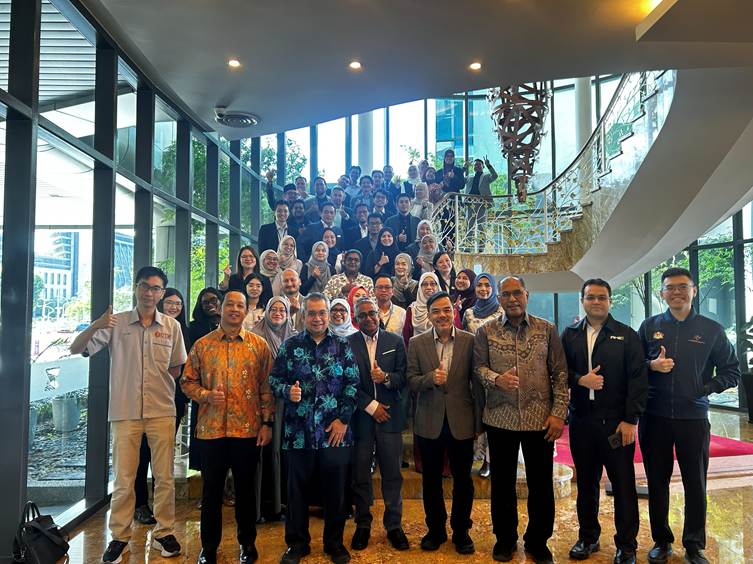
The workshop served as an important platform to build a shared baseline understanding of market-based mechanisms (MBMs) and to advance cross-ministerial discussions on the policy, institutional, and implementation issues relevant to Malaysia’s DETS readiness. The event convened 62 participants, including representatives from six ministries – NRES, MoF, MoE, MITI, PETRA, and MOT – as well as agencies and organisations such as MGTC, MIDA, MPM, Single Buyer, MFF, CAAM, the Malaysia Steel Institute, JICA, AMIC, and PETRONAS. This strong public sector and institutional presence underscored the central role of government coordination in shaping an effective and credible DETS pathway for Malaysia.
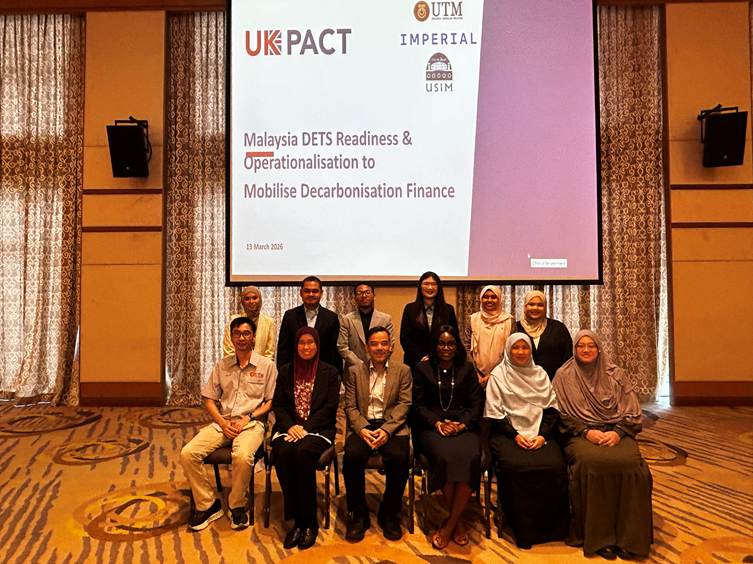
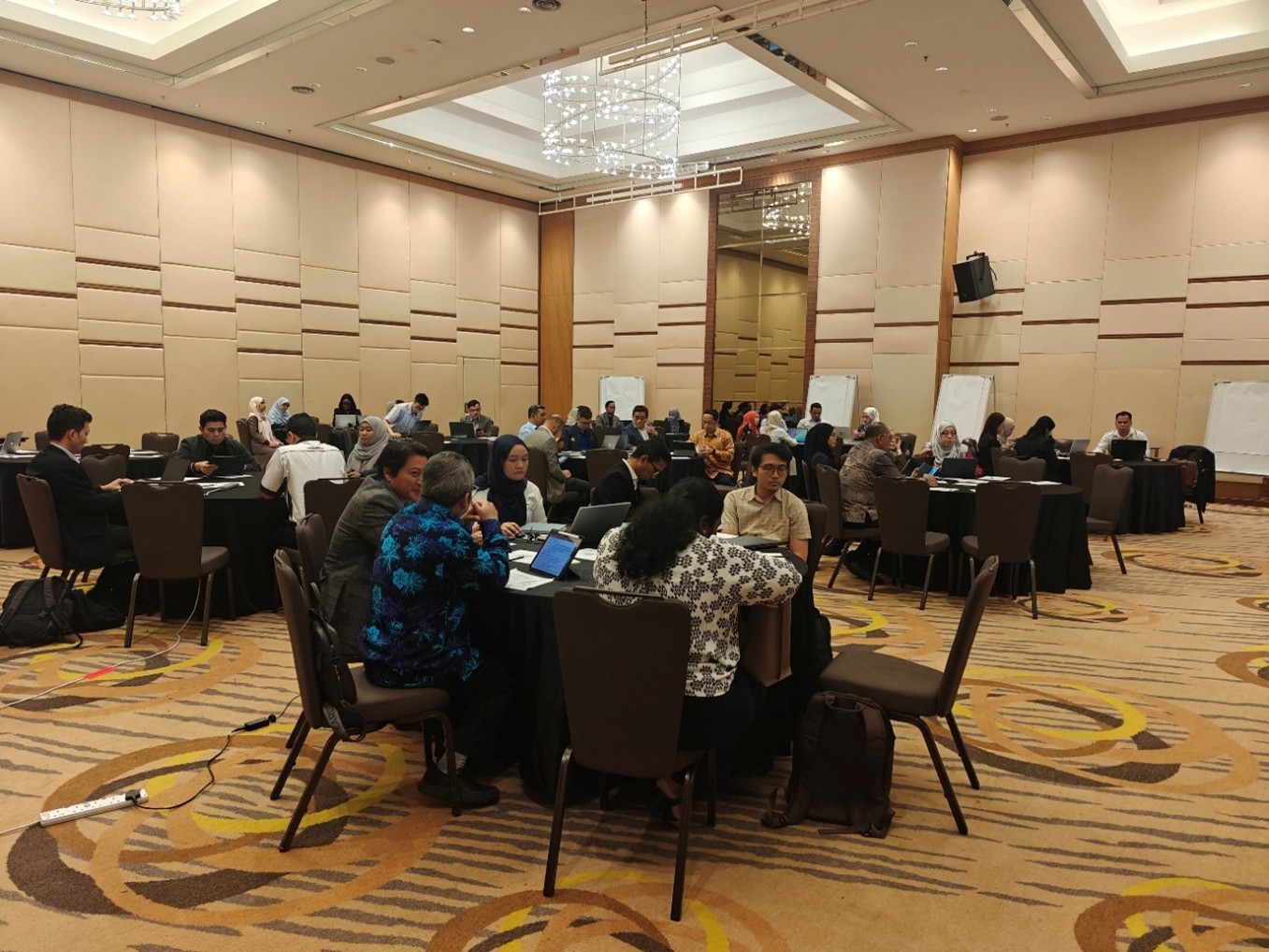
The event began with an opening remark by Mr Ahmad Farid bin Mohammed, Undersecretary of the Climate Change Division at NRES, who provided the strategic context for Malaysia’s DETS. Mr Murugadas Longanathan, Head of Climate, Energy and Nature at the British High Commission Kuala Lumpur, also delivered welcome remarks on behalf of the project funder, UK PACT, and outlined expectations for the project’s way forward. The Project Director, Prof. Ir. Ts. Dr. Zainuddin Abd Manan of UTM, then shared an overview of the programme, highlighting its objectives and significance for Malaysia’s decarbonisation roadmap.
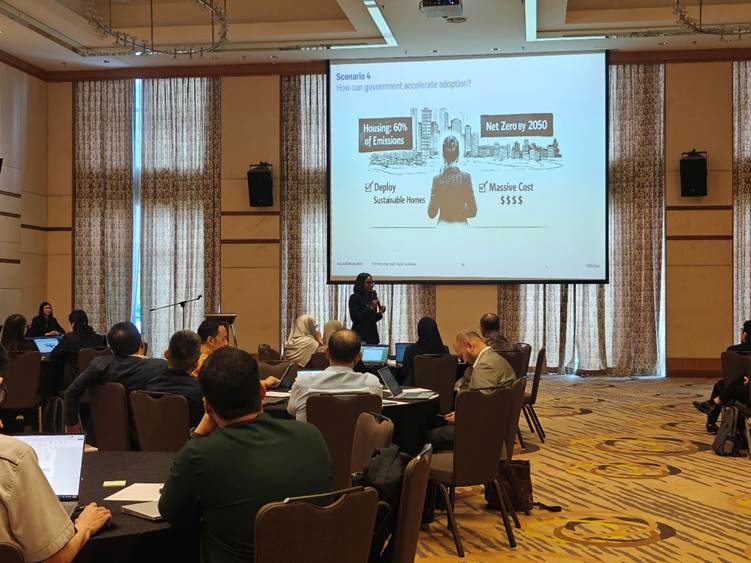
Across three interactive presentations delivered by Assoc. Prof. Dr. Gbemi Oluleye from Imperial College London, participants explored the economic rationale and design architecture of market-based mechanisms, the rapid expansion of MBMs and their implications for trade and supply chains, and the need for national preparedness for cross-border mechanisms. Discussions were highly engaging, with participants highlighting the need to assess DETS impacts on Malaysia’s trade competitiveness within ASEAN, as noted by Dr. Mohd Hafdzuan bin Adzmi (NRES). The importance of GEDSI and just transition considerations in DETS design was also emphasised by Assoc. Prof. Dr. Izlawanie Muhammad and Dr Suhaila Abdul Hamid from USIM.
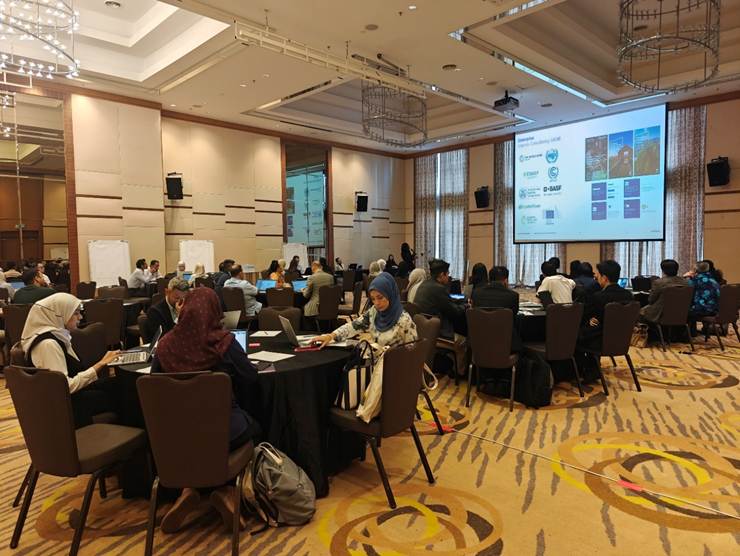
Participants Sharing Views on Malaysia’s DETS and MBM Readiness.
The workshop also featured two group discussion sessions on the impacts of MBMs and a structured DETS readiness exercise led by Prof. Ir. Ts. Dr. Sharifah Rafidah Datu Wan Alwi and Assoc. Prof. Ir. Dr. Lim Jeng Shiun from UTM. Seven cross-ministerial groups were formed, each supported by a volunteer moderator to guide the discussion and present the outcomes to the wider audience at the end of the session. The discussions highlighted the need for social, economic, and environmental impact assessments, better data accessibility, stronger cross-sector collaboration, a clearer understanding of industry and CBAM impacts, integration with the voluntary carbon market, and greater transparency on issues such as revenue recycling and policy alignment in shaping Malaysia’s DETS framework.
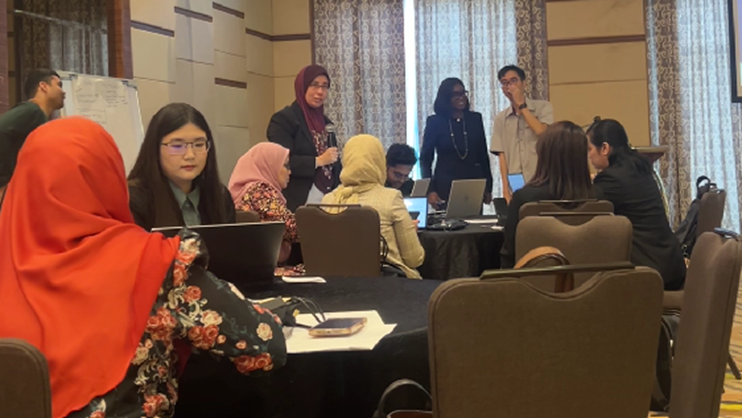
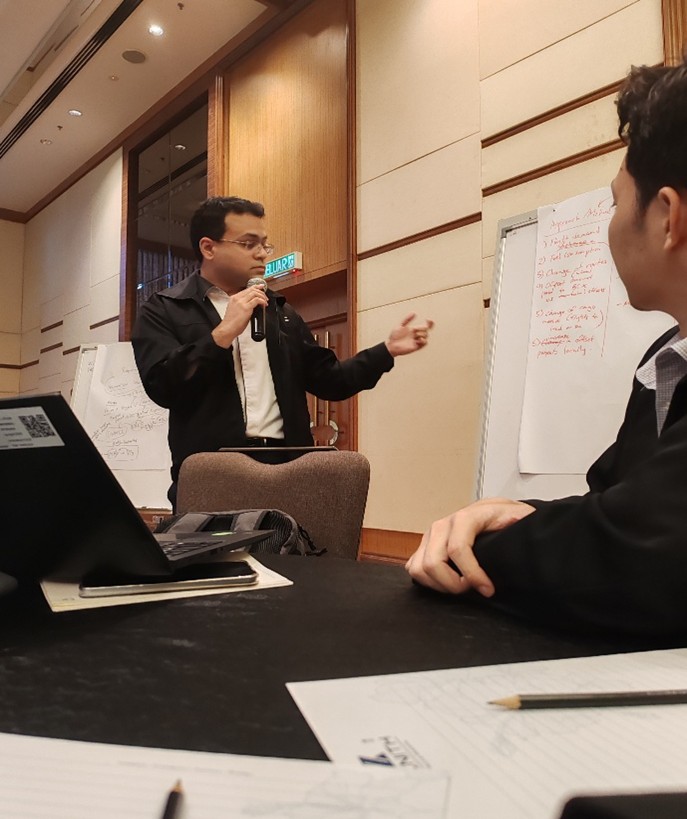
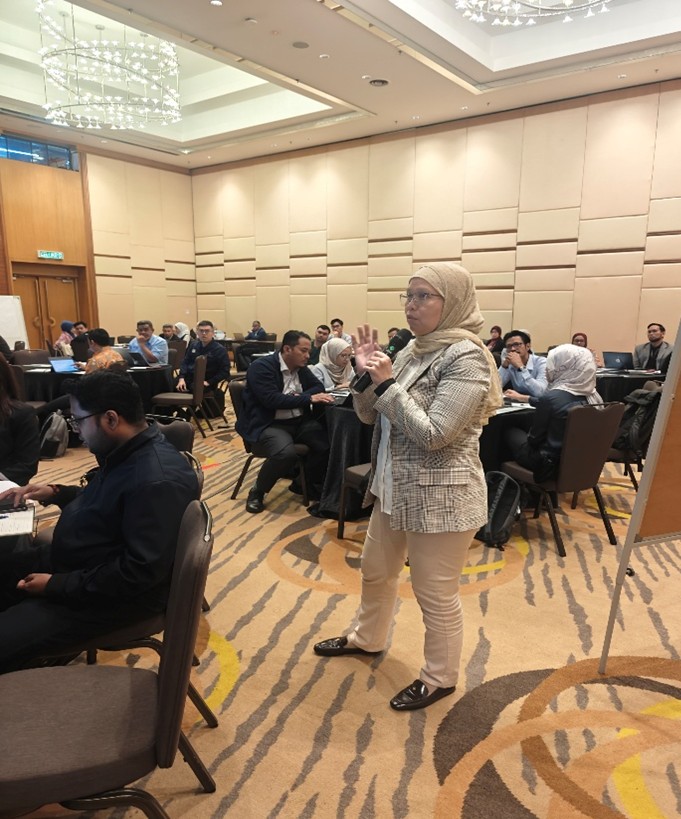
Moderators Summarising Cross-Ministerial Group Discussion Outcomes
Importantly, the discussions reflected a growing recognition that advancing Malaysia’s DETS readiness will require not only technical design work, but also sustained government-led dialogue, cross-ministerial coordination, and institutional capacity building. The event concluded with closing remarks by Prof. Zainuddin, who summarised the workshop’s key achievements and deliverables. Overall, the workshop marked a meaningful step towards strengthening public sector preparedness and laying the groundwork for a more coordinated and inclusive approach to DETS development in Malaysia.